

Glass in Science: The Material That Let Us See What We Couldn't See Before
Every major leap in scientific understanding of the last four centuries has depended on one material being clear, stable, and precisely shaped: glass. Germs weren't real to science until a glass lens made them visible. The moons of Jupiter weren't real to science until a glass lens made them visible. The double helix of DNA was mapped using X-ray patterns captured through glass optics. Take glass out of the history of science, and entire fields of human knowledge simply don't happen on the timeline they did — some may not have happened at all.
Laboratory Glassware — Why Chemistry Needed Glass, Not Metal or Clay
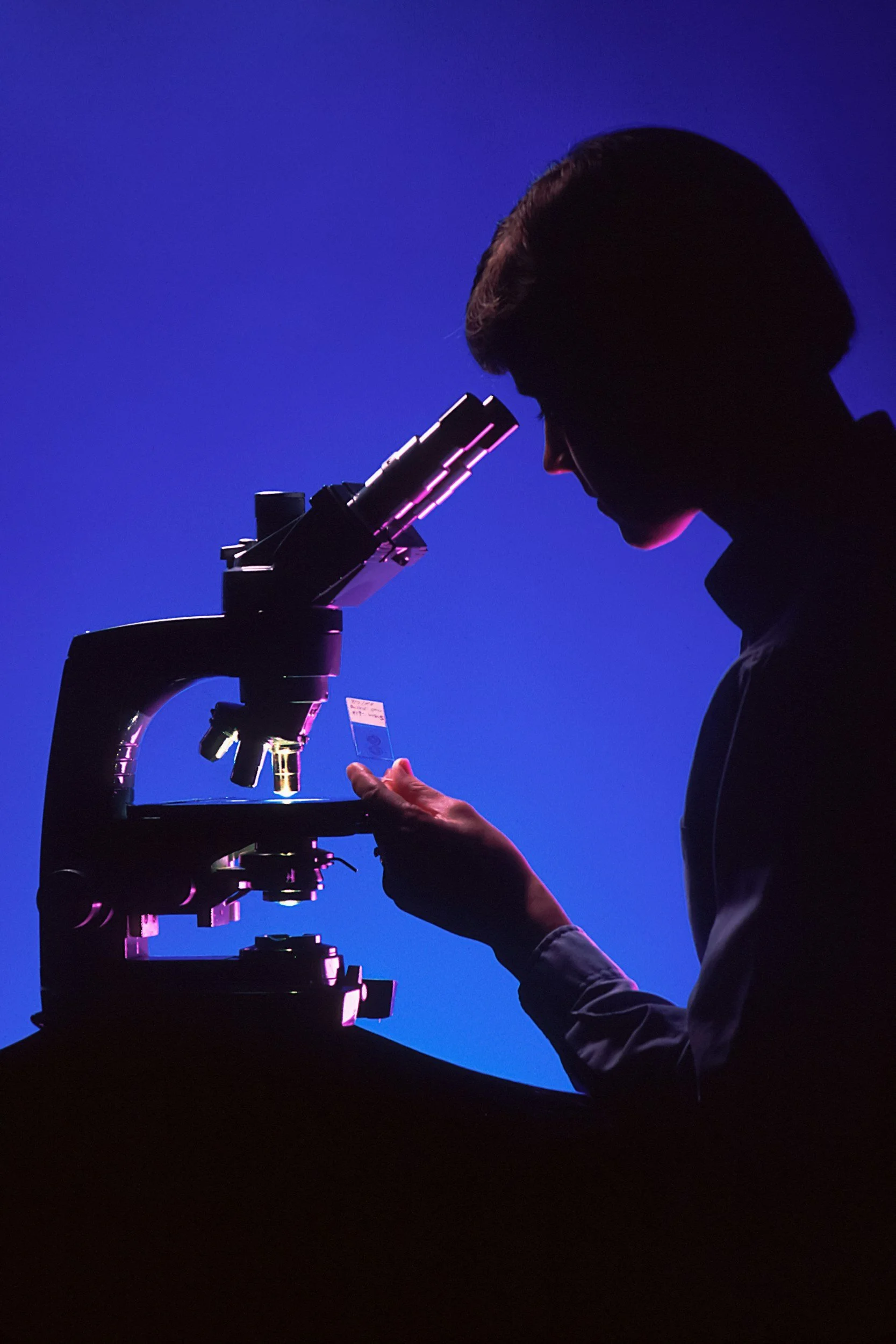
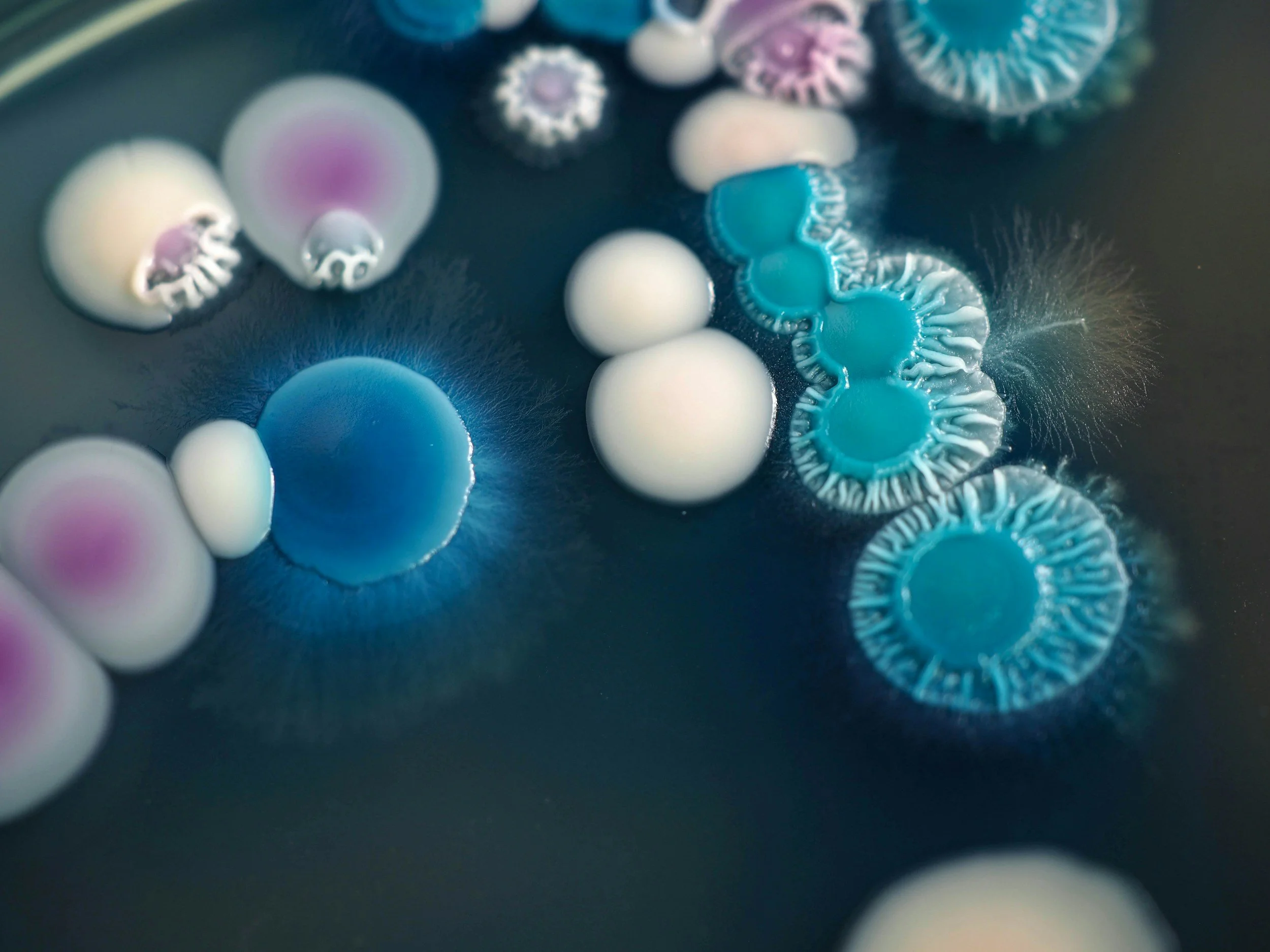
Modern chemistry as a science couldn't exist without a container that is chemically inert, transparent, and able to withstand heat without cracking or reacting with what's inside it. Metal vessels corrode and react with acids and reagents. Clay and ceramic are opaque, hiding the very reaction a chemist needs to observe. Glass solved both problems at once — a scientist could watch a reaction happen in real time, in a vessel that wouldn't contaminate the result. The development of borosilicate glass in the late 1800s (marketed as Pyrex starting in 1915) was a direct scientific advance in its own right — a glass formula resistant enough to thermal shock that it could go from a Bunsen burner flame to room temperature without shattering, something ordinary soda-lime glass can't survive.
Optics — Seeing What the Naked Eye Cannot
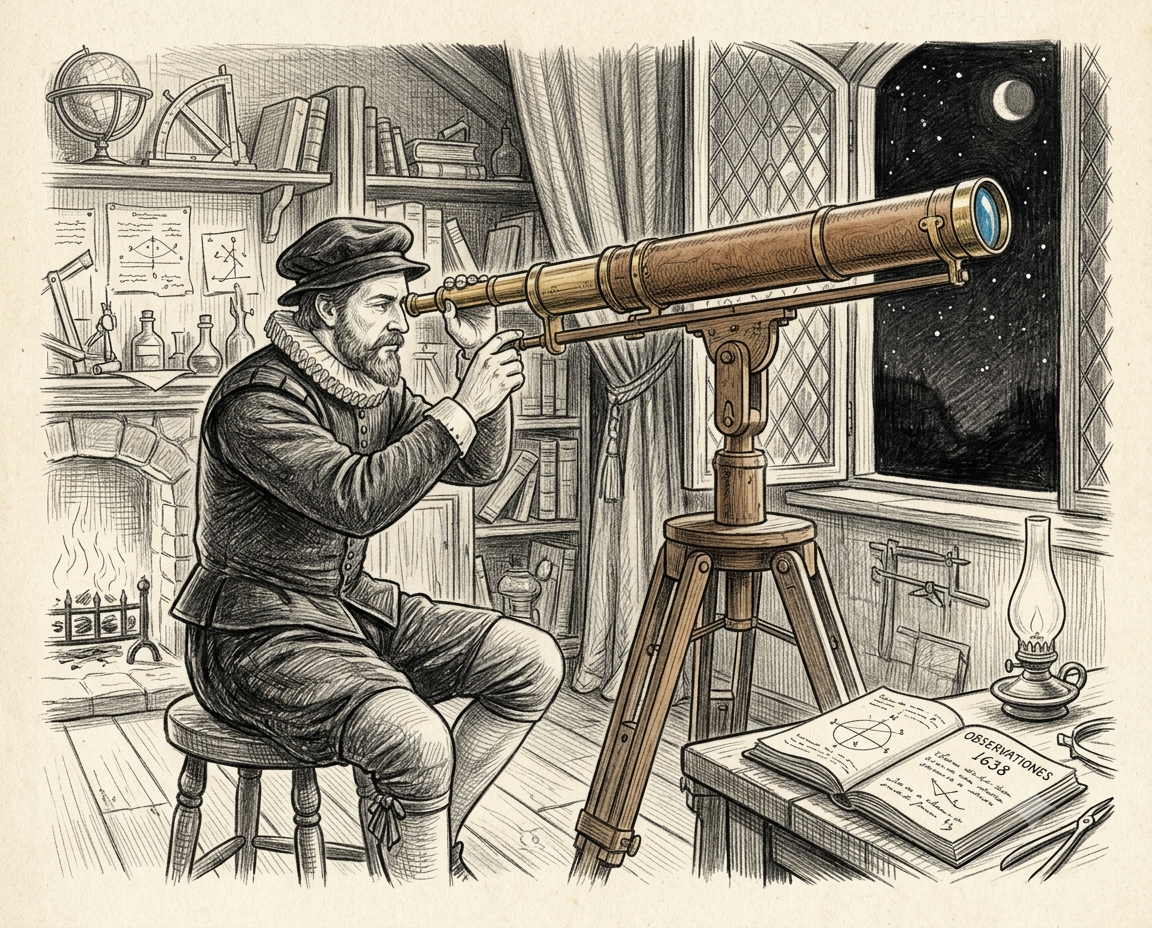
The compound microscope, developed in the late 1500s and refined through the 1600s, opened an entire invisible world to science — bacteria, cells, blood, the basic building blocks of life itself, none of it observable to a human eye until precisely ground glass lenses made it visible. Antonie van Leeuwenhoek's simple glass lenses, ground by hand to a level of precision far beyond what his era's tools were built for, let him become the first person in history to see a living microorganism. At the opposite end of scale, the telescope did the same thing for the universe — Galileo's glass lenses turned points of light in the night sky into moons, into rings, into entire worlds, and rewrote humanity's understanding of its place in the solar system.
Fiber Optics — Glass Carrying Light Instead of Electricity
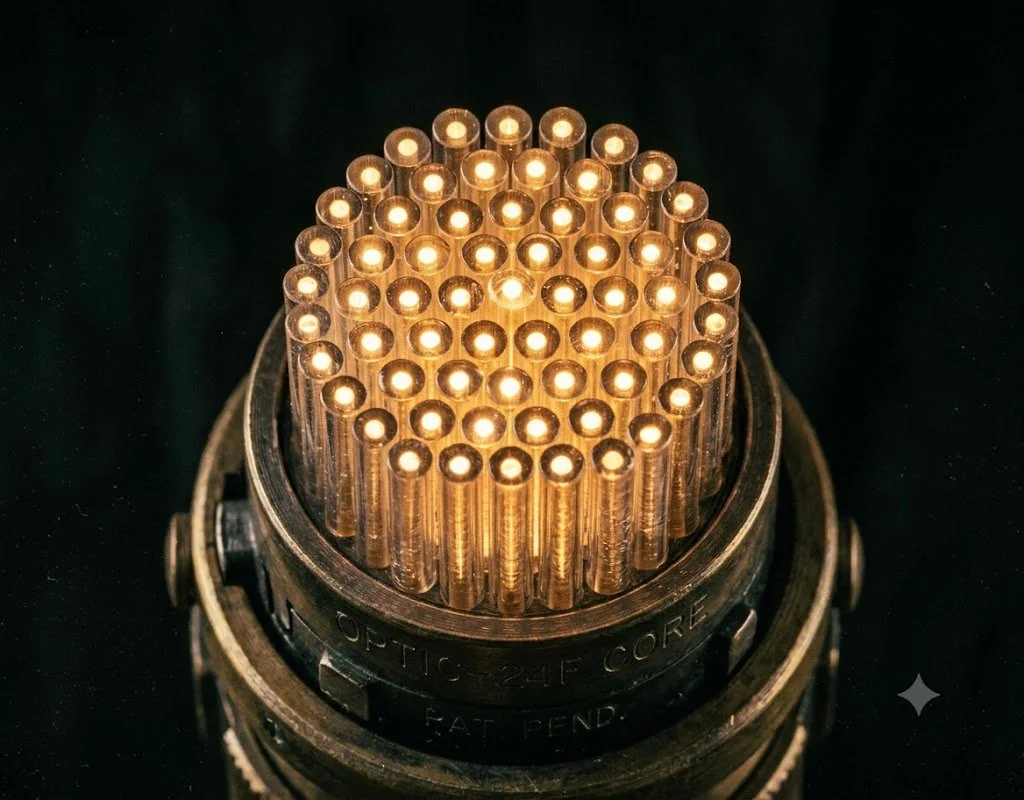
Fiber optics represent glass science taken to its most refined extreme — strands of glass, thinner than a human hair, engineered to carry pulses of light across vast distances with almost no signal loss. This isn't a modern convenience layered on top of old glass science; it's the same core property — glass's ability to transmit light with extraordinary clarity — pushed to a precision our ancestors in the earliest glass workshops could never have imagined. Every internet connection, every fiber-optic medical scope, every long-distance phone call routed through undersea cable runs through glass, not copper. The material that once let a scientist see a single cell now carries the entire digital world at the speed of light.
The Light Bulb — Glass Enabling a Vacuum
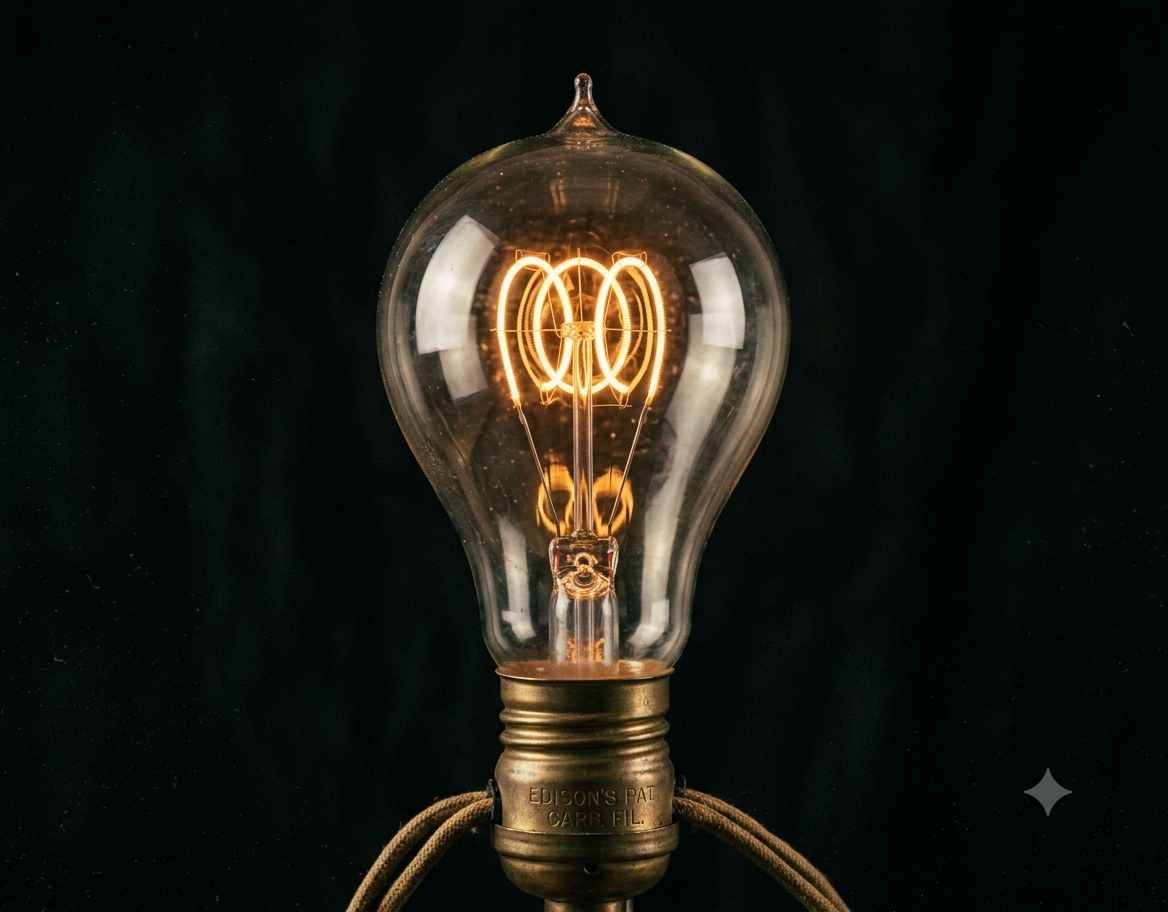
The incandescent light bulb couldn't have existed without glass, and the reason has nothing to do with letting light through — it's about keeping air out. A glowing filament exposed to oxygen burns up in seconds. Thomas Edison's breakthrough in 1879 wasn't really the filament itself; it was pairing that filament with a hand-blown glass envelope capable of holding a near-total vacuum, starving the filament of the oxygen that would otherwise destroy it. Every incandescent bulb that followed, for over a century, relied on the same glassblower's skill at the center of its design — a sealed glass vessel strong enough to hold a vacuum and clear enough to let the light escape. It's a quieter scientific advance than the microscope or the telescope, but it's no less dependent on glass doing something no other material of the era could do.
Glass in Science → Glass in Medicine:
Science used glass to look outward and downward — at galaxies, at cells, at the invisible architecture of the world around us. But glass didn't stop at observation. The same clarity, the same chemical stability, the same precision that let a scientist see a microorganism for the first time would soon let a doctor look inside a living human body without cutting it open, store a medicine without it degrading, and even help the body heal itself. What glass revealed to science, it would go on to deliver to medicine.