
Suction Cup Silicone Marks on Glass — The Annoying Problem We Make Go Away

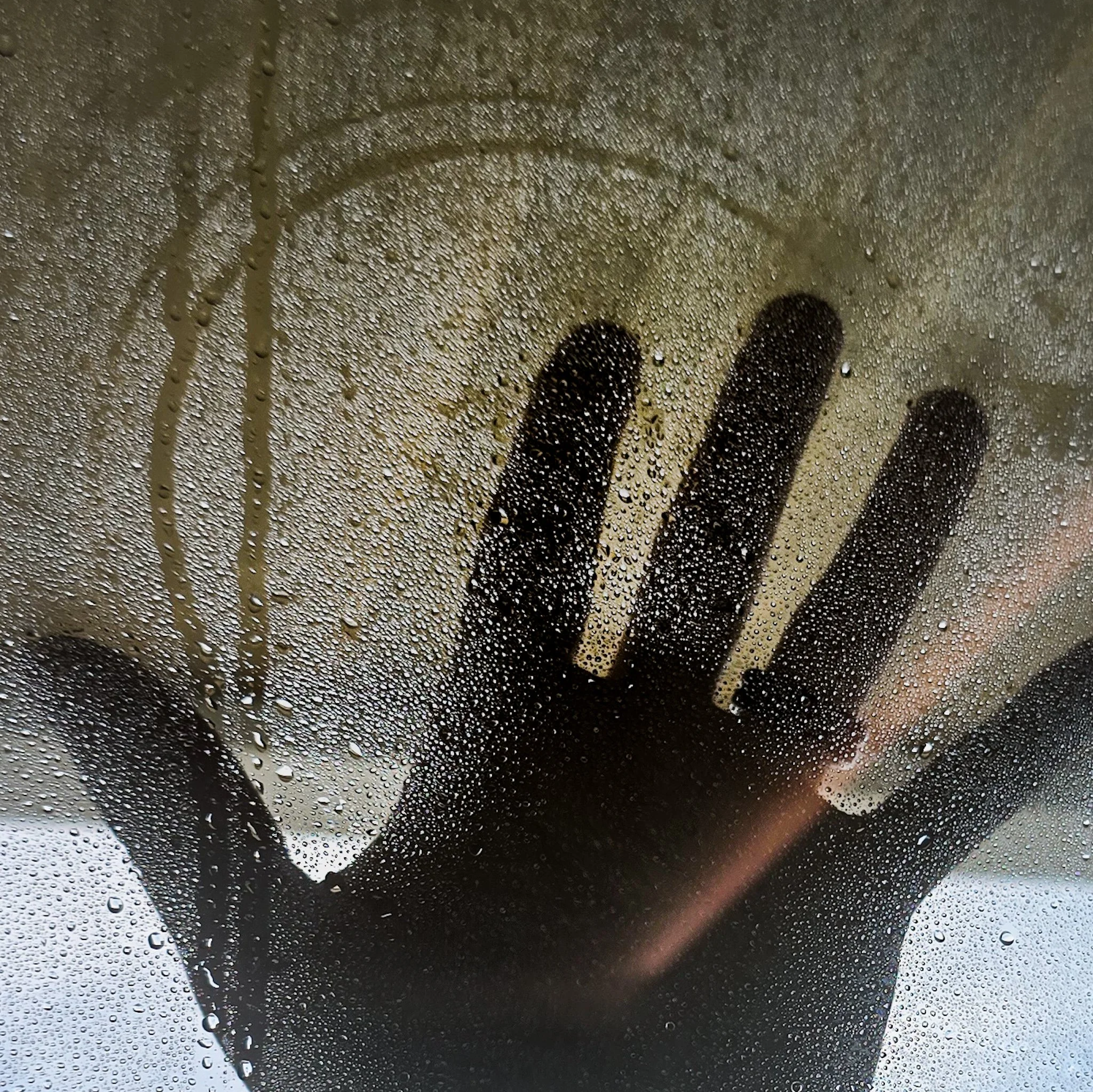

There is a substance inside every window and door frame on every home in Florida. It holds the glass in place, seals against weather, and performs flawlessly for decades. It is silicone — and under the right conditions, for a homeowner, it becomes one of the most persistent and frustrating glass problems we encounter. When a single drop or string of silicone is picked up by a suction cup during factory handling, transportation, or installation, that cup becomes a transfer tool. Every pane it touches after that point receives a silicone deposit — invisible in most lighting conditions, maddeningly visible in morning dew, condensation, or direct cleaning. One contaminated suction cup on a production line or an installation crew can mark hundreds of windows before anyone notices.
The result looks like a ghost. A perfect circle — or a series of them — that appears and disappears depending on the light. Window cleaners scrub at it and it stays. Standard glass cleaners don't touch it. Even experienced glass restoration companies have looked at suction cup silicone marks and walked away. We know this because they have called us and asked how we remove them.
Why Suction Cup Marks Are So Difficult to Remove
Silicone is specifically engineered to bond tenaciously to glass surfaces — that is its entire purpose in window and door construction. When it transfers to the exposed face of the glass via suction cup contact it forms the same kind of bond it was designed to create in the frame. It does not respond to soap, water, or standard glass cleaning chemistry. Abrasive approaches that work on mineral deposits or construction scratches can make the problem worse if applied incorrectly. And because the marks are only visible under certain lighting conditions — morning condensation, direct sunlight at a low angle, or water applied during cleaning — homeowners and cleaning crews often spend months trying to fix something they cannot consistently see. By the time they call us the silicone has had time to fully cure on the surface.
Where Suction Cup Marks Come From
The suction cup is ubiquitous in the glass industry. From the factory floor where glass is manufactured, to the shipping process where panels are moved and stacked, to the installation crew that sets each window into its frame — suction cups touch nearly every piece of glass before it reaches your home. A single drop of silicone sealant — from a bead applied to an adjacent frame, from an overflow during installation, from contact with a freshly sealed surface — is all it takes. That drop transfers to the suction cup face. The cup then transfers it to the next pane. And the next. And the next. We have seen this problem on entry-level production homes and on luxury estates in Port Royal, Naples — some of the most expensive residential addresses in the country. Silicone does not discriminate by price point.
Our Process — What We Can Tell You
We remove suction cup silicone marks completely — returning the glass to factory-clear condition without damage to the surface, the coating, or the surrounding seal. The process shares some techniques with our scratch removal work but is adapted specifically for the chemistry of silicone on glass. Beyond that we keep our process proprietary. It took years of experimentation to develop and it is one of the few glass restoration problems that the broader industry has not solved consistently. We are happy to tell you that we can fix it. We are not going to tell you exactly how.
What to Do If You Have Suction Cup Marks
Do not attempt to remove suction cup silicone marks yourself. Solvents that dissolve silicone can damage window seals, coatings, and surrounding frames. Abrasive approaches applied without the correct technique will scratch the glass surface and create a second problem on top of the first. The marks are frustrating but they are not permanent — and they are among the most satisfying jobs we do because the result is so complete and the relief so visible.
The most damaging mistake a homeowner or cleaning crew can make is reaching for a scraper. Because suction cup silicone marks are only intermittently visible and resist every cleaning product tried, the scraper becomes the tool of last resort — and the moment metal contacts glass, the damage often shifts from a surface chemistry problem to a scratch. We have seen this scenario dozens of times. The homeowner or cleaner finally loses patience, grabs a razor blade or metal scraper, and creates a scratch that is far more visible and more expensive to address than the original silicone mark ever was. The silicone mark is annoying. The scraper scratch is a problem. Do not scrape. The attempted repair can look worse than the previous problem.
Is Your Glass Marked?
If you are seeing circular ghost marks on your glass that appear in condensation or during cleaning and won't respond to any cleaning product — send us a photo. Use the flashlight technique: shine a light on the glass at a low angle and photograph what you see. If it's silicone transfer from a suction cup we will recognize it immediately and give you an honest assessment of what removal involves.