

How to Clean Sliding Glass Doors and Impact Windows Without Causing Scratches
Think you’re doing the right thing by using that glass scraper? Think again. The tools marketed for "convenience" are often the direct cause of permanent damage to your impact-rated glass.
This Guide Is For You If You Are:
A Florida homeowner with sliding glass doors, impact windows, or shower glass — and you want to protect your investment from the most common cause of permanent scratching we see every day.
A builder, superintendent, or property manager whose crews include window cleaners, painters, and subcontractors who routinely use scrapers without realizing the damage they cause. See our dedicated resource for builders →
A window cleaning professional who wants to operate at the highest standard and protect yourself from liability claims over scratched glass. See our resource for glaziers and glass trades →
Who should attempt scratched glass repair? The short answer to how to fix scratched glass is: you call a specialist. DIY kits, toothpaste, and buffing compounds do not remove real glass scratches — they polish the surface around the scratch and make the damage more visible over time. Professional glass scratch repair by Glass Restoration Inc. restores the glass to ASTM C1036 optical clarity without removing the panel.
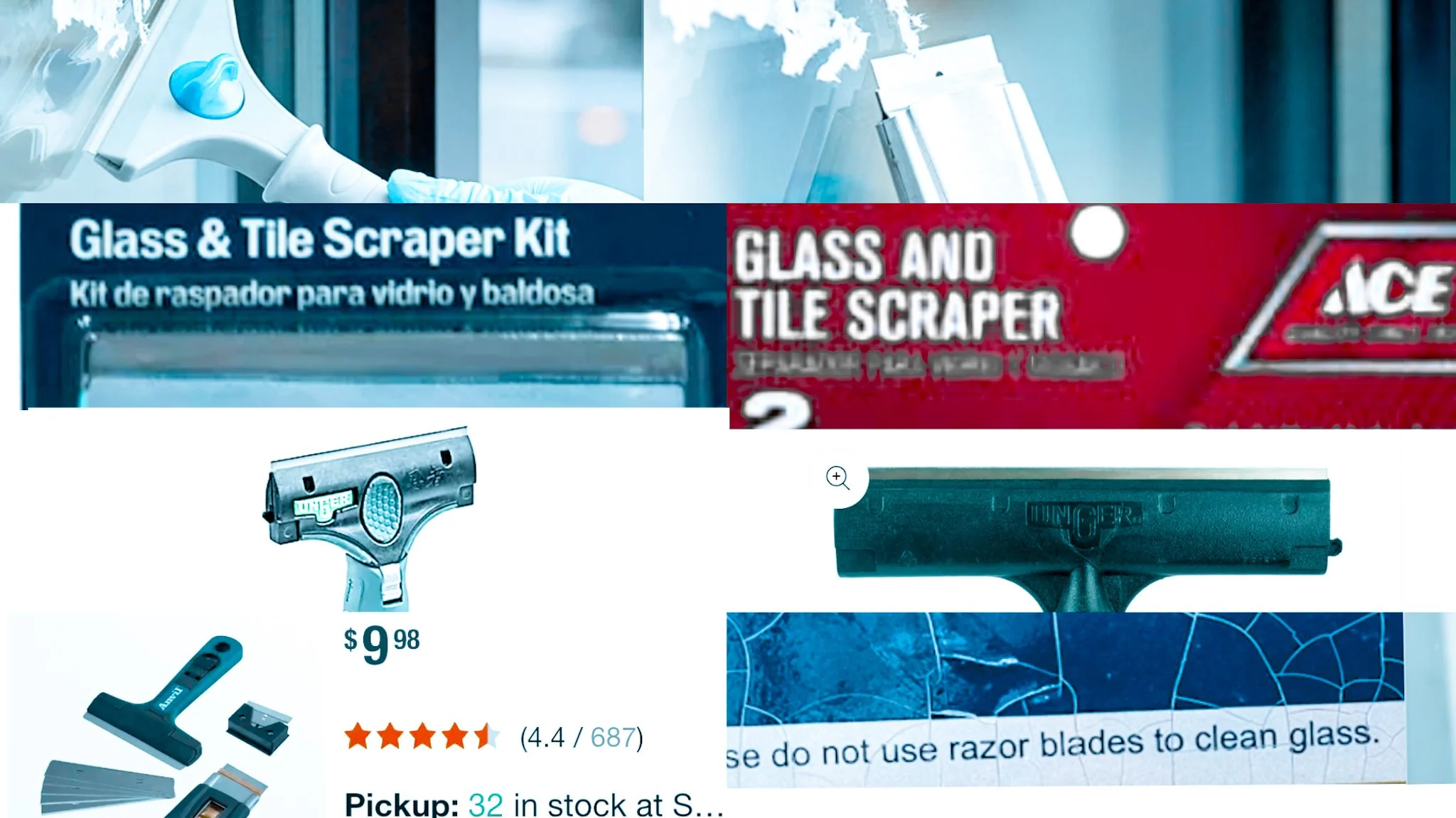
What Glass Manufacturers Actually Say About Scrapers
Every major glass manufacturer—including Cardinal Glass (an industry leader)—has a specific, non-negotiable rule: Do not use scrapers, razor blades, or abrasive pads on glass.
When you look at the instructions provided by the people who actually make the glass, the path to a clean window is surprisingly simple:
Use only mild, non-abrasive soap and lukewarm water.
Use a soft, clean, lint-free cloth or high-quality microfiber towel.
Rinse thoroughly with clean water to remove all residue.
Wipe dry with a fresh, clean, soft cloth.
The Golden Rule: If you wouldn't use it on your car’s windshield, don't use it on your sliding glass doors.
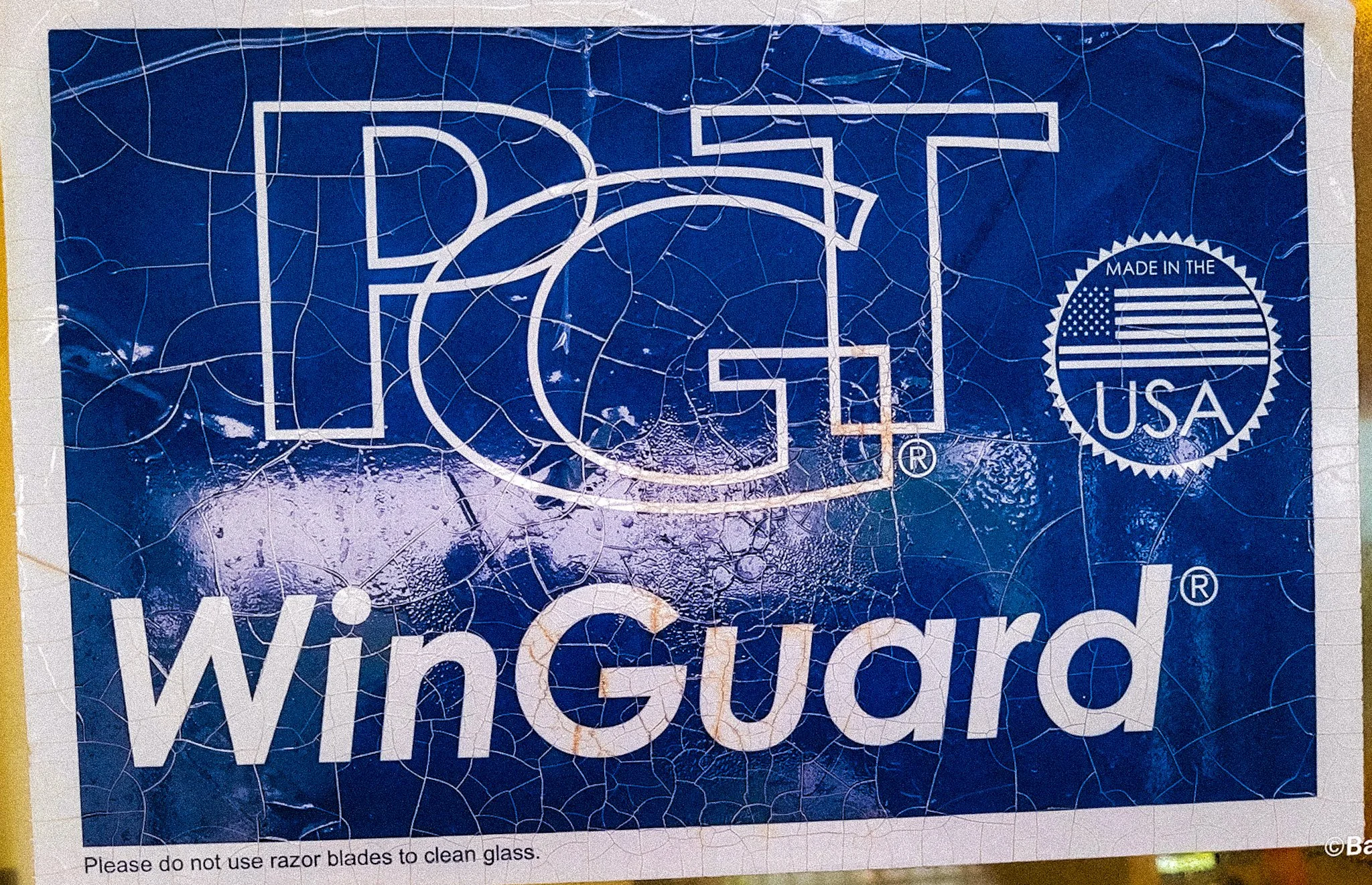
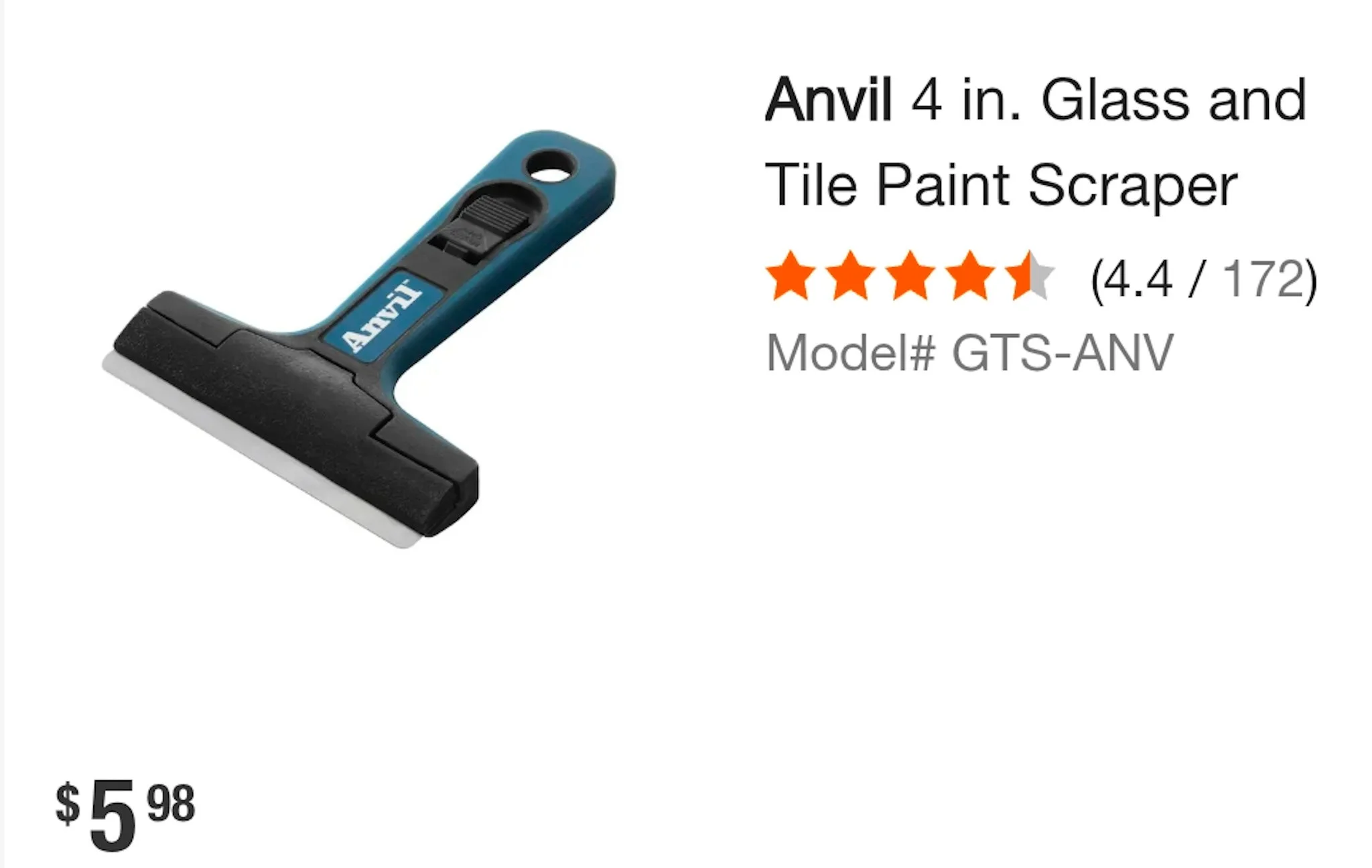

Manufacturer-Recommended Care & Warranty Protection
Industry leaders like Cardinal Glass and the Glass Association of North America (GANA) emphasize that proper maintenance is critical to preserving architectural glass. The most vital procedure is the total avoidance of metal blades, razor knives, and scrapers, which cause irreparable, permanent scratching. Instead, rely strictly on mild, non-abrasive soap, clean water, and soft, lint-free tools. Because much of the damage to glass occurs through improper handling by non-glass trades or aggressive cleaning shortcuts, professional standards mandate a cautious approach: always test a small, inconspicuous area in direct sunlight to inspect for damage before proceeding. By adhering to these manufacturer-approved guidelines, homeowners can protect their investment and maintain the long-term aesthetic clarity of their glass.
What To Do If The Damage Is Already Done
If a scraper has already left its mark, don't assume the glass is ruined. The glass restoration industry exists precisely because these scratches — even deep ones that catch a fingernail — are often fully restorable without replacement.
Scraper damage on sliding glass doors and impact windows falls into two categories:
Surface abrasions — shallow marks left by a blade moving across glass with grit present. These are among the most common and most successfully restored.
Deep gouges — less common, but still frequently within the tolerances set by ASTM C1036. A professional assessment with calibrated depth-gauging tools determines whether restoration is viable before any work begins.
The key distinction most homeowners don't know: glass replacement is rarely required for scraper damage. The "you have to replace it" advice typically comes from window companies whose only solution is a new unit — not from glass restoration specialists who work at the surface level every day.
If you have a scratch you're unsure about, we offer professional on-site assessments across the Florida Gulf Coast. We'll tell you honestly whether it can be restored — and if it can't, we'll tell you that too.
Why Florida Glass Restoration Specialists Wrote This Guide
What you will not find here is a sales pitch disguised as advice. If your glass can be restored, we will tell you. If it cannot, we will tell you that too — and we will explain exactly why, in plain language, without pushing you toward an unnecessary replacement. That is the standard we hold ourselves to, and it is the standard this guide was written to reflect.
All about metal scrapers on glass. What causes glass scratches? Watch and find out.