

Glass in Medicine: The Material That Let Doctors See Inside the Body
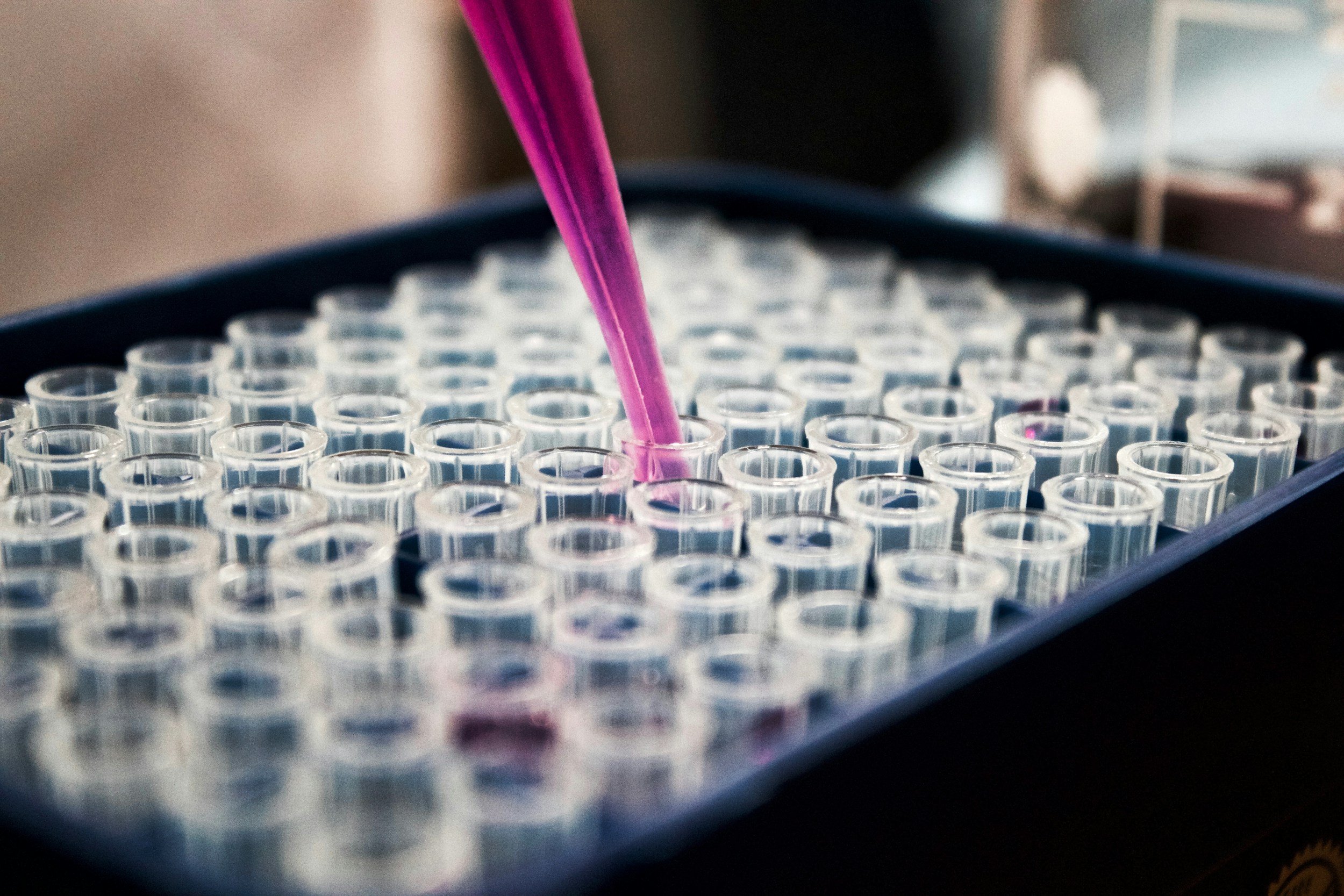
Science used glass to look outward and downward — at galaxies, at cells, at the invisible architecture of the world around us. But glass didn't stop at observation. The same clarity, the same chemical stability, the same precision that let a scientist see a microorganism for the first time would soon let a doctor look inside a living human body without cutting it open, store a medicine without it degrading, and even help the body heal itself. What glass revealed to science, it would go on to deliver to medicine.
Long before modern pharmaceuticals, apothecaries relied on hand-blown glass vessels for the same reason chemists did — glass doesn't react with what's stored inside it. A medicine kept in a clay jar or a metal tin can absorb contamination, corrode its container, or break down chemically over time in ways a physician of any era couldn't predict or control. Glass solved that problem before anyone fully understood the chemistry behind it. That same principle still governs pharmaceutical storage today, in an industry that has had over a century to find a better material and still, for critical applications, hasn't.
Medicine's relationship with glass runs deeper than storage, though. Glass became the material that let physicians extend their own senses past the surface of the body — a mercury-filled glass capillary tube that could measure a fever to a fraction of a degree, a glass syringe precise enough to deliver an exact dose beneath the skin, and eventually, a bundle of glass fibers thin enough to travel through the human body and send an image back out. Each of these advances depended on the same core property of glass that made the microscope and the telescope possible: absolute clarity, held in a stable, inert material that wouldn't interfere with what it was built to reveal.

Hypoallergenic and Chemically Inert — Why the Body Trusts Glass
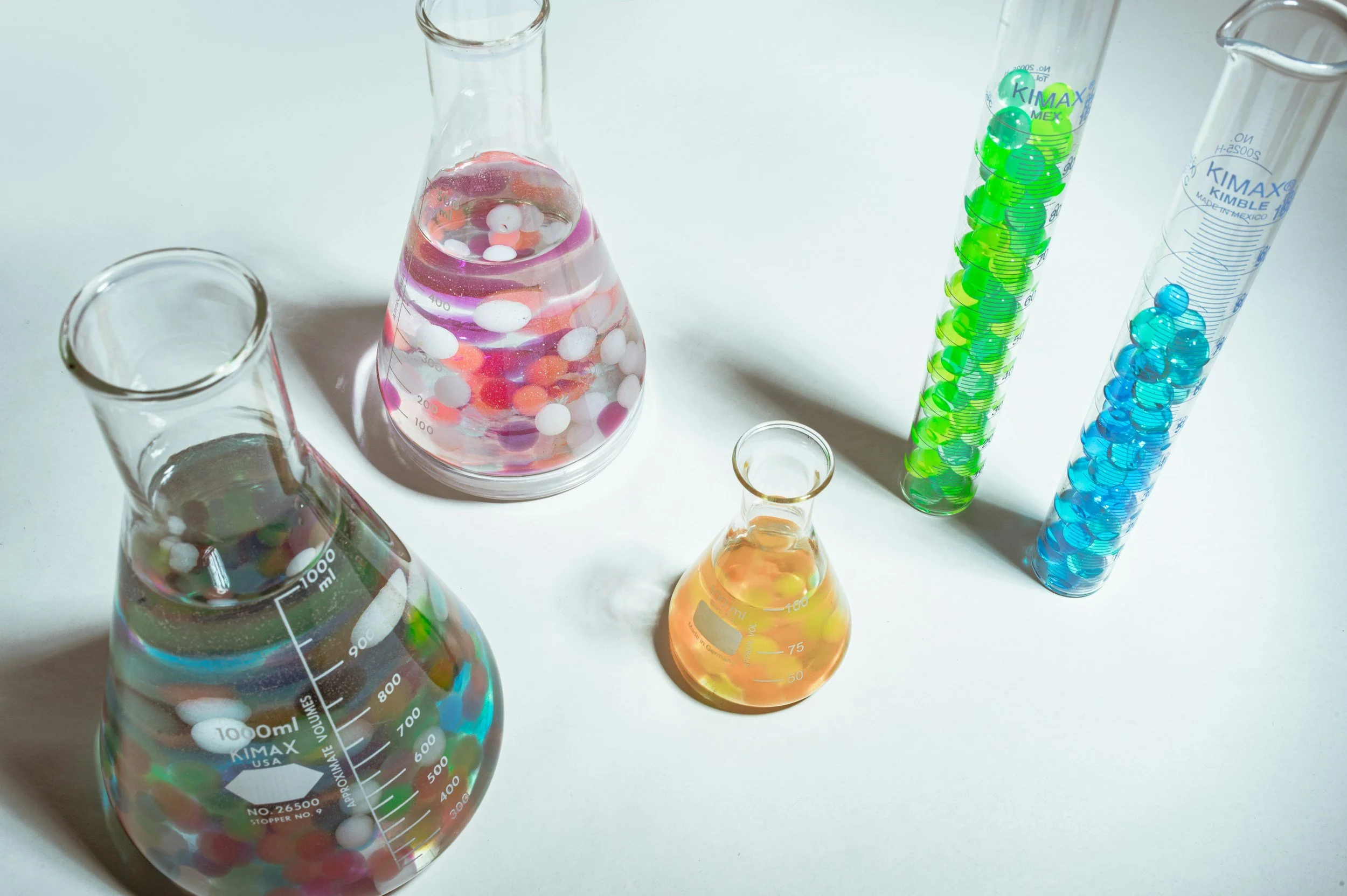
Glass has a property that makes it uniquely suited to medicine, beyond just clarity: it is essentially non-reactive with nearly every biological compound and chemical it comes into contact with. Where plastics can leach trace compounds into a solution over time, and metals can corrode or trigger allergic reactions in sensitive patients, glass sits inert against almost everything the human body or a pharmaceutical formula can put against it. This is why a drug stored in a glass vial can sit on a shelf for years without its chemistry shifting, and why glass instruments — from a simple slide to a syringe — can touch human tissue, blood, and bodily fluids without the material itself becoming part of the reaction. Hospitals and labs don't choose glass because it's traditional. They choose it because, even with a century of advanced materials science behind us, nothing else does this job as reliably.
The Mercury Thermometer — Medicine's First Precision Diagnostic Tool
Before the mercury glass thermometer, a fever was something a physician judged by touch — a hand on the forehead, an educated guess. The glass thermometer changed that entirely. A fine glass capillary tube, sealed and calibrated, gave doctors their first repeatable, precise way to measure something happening inside the body without opening it. It sounds simple now, but it was a genuine diagnostic breakthrough — fever tracking became a number instead of an impression, and that number could be compared, charted, and trusted across different doctors and different visits. None of it worked without glass. Mercury needed a vessel that wouldn't react with it, that could be drawn into a capillary thin enough for precision, and that stayed perfectly transparent so the reading could actually be seen. It's one of the quieter advances in this whole story, but it's hard to overstate how much modern diagnostic medicine still rests on that same basic idea — measure precisely, observe clearly, trust the material not to interfere.
The Story Isn't Finished — Glass in Bone Grafts and Dental Care
Glass didn't stop advancing medicine once it became old news. Bioactive glass, developed in the late 1960s and still being refined today, is engineered to do something no earlier glass could — actually bond with living bone. When placed at a defect site, bioactive glass triggers a chemical reaction that stimulates the body's own bone cells to grow and regenerate, gradually integrating with living tissue instead of just sitting inert beside it. It's used today in bone grafts, dental implants, and periodontal treatments, quietly doing reconstructive work that used to require harvesting bone from elsewhere in the patient's own body. From a hand-ground lens that first revealed a living cell, to a modern glass formula that helps the body rebuild itself — glass's role in medicine isn’t just about storage or observation. It has become part of the healing itself.
Glass in Medicine → Art Glass and Master Craftsmen:
Glass has now shown us two very different sides of itself — a tool precise enough to store a medicine without a trace of contamination, and a material clear enough to help a surgeon see inside a living body. But long before glass was doing any of that clinical, exacting work, people were shaping it for no practical reason at all — just to make something beautiful. That instinct is just as old as glass itself, and it's still very much alive. The next chapter turns from what glass has done for science and medicine to what it has always done for human hands and human eyes: art.