
Art Glass and Master Craftsmen: Glass Shaped for Beauty, Not Just Function
Every chapter so far has been about what glass could do — see the invisible, hold a vacuum, store a medicine without contaminating it. This chapter is about something else entirely: what glass could become in the hands of someone who wasn't solving a problem, just making something beautiful. Long before anyone needed glass to be optically perfect for a microscope or chemically inert for a lab, master glassworkers were shaping it into cathedral windows, wheel-engraved goblets, and colored vessels that had no function beyond being extraordinary to look at. That instinct — glass as art, not just utility — runs just as deep in this material's history as any of its scientific achievements.
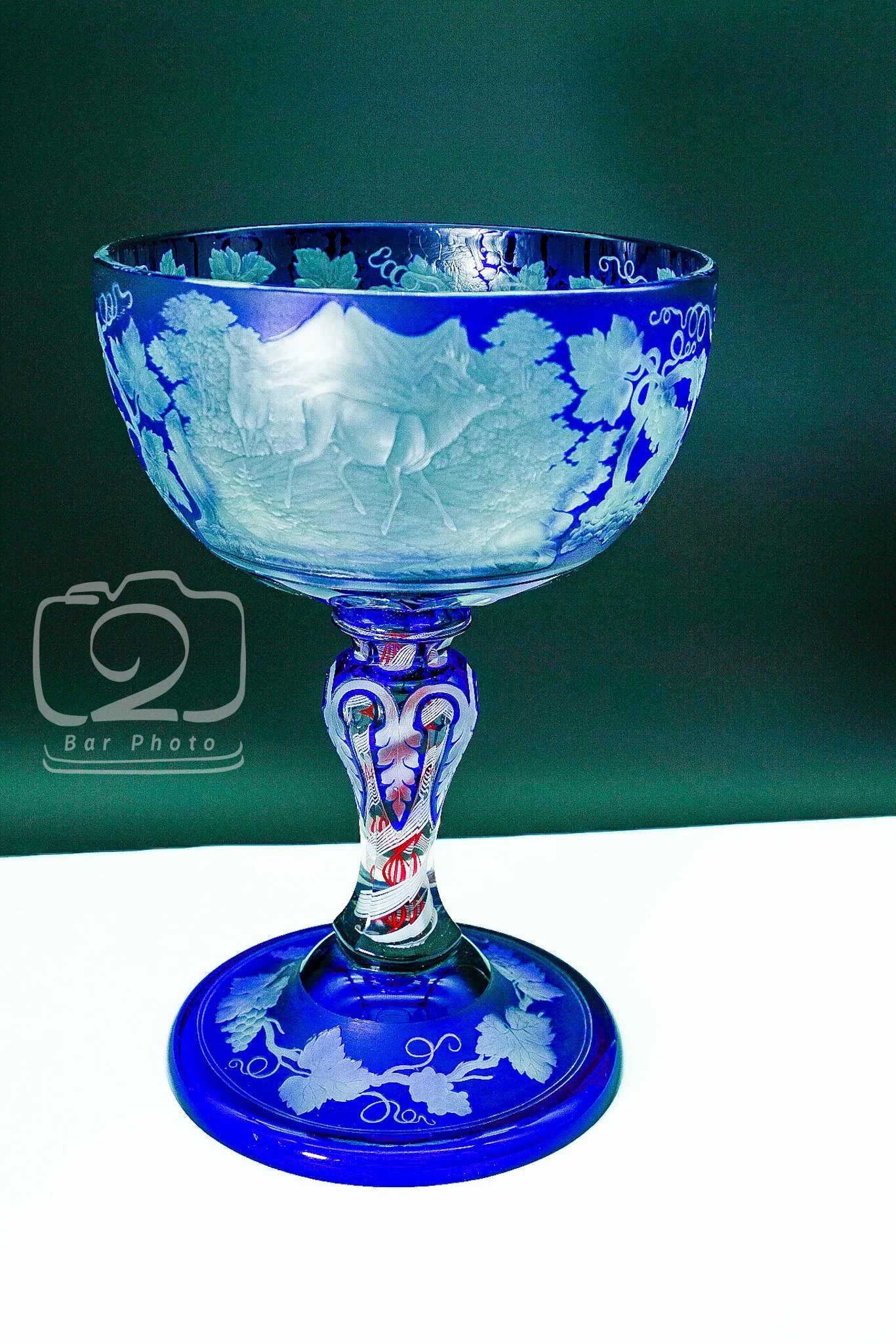
Franz Paul Zach (1820–1881), Bohemian master glass engraver, Munich.Glass Beads — The Oldest Glass Art There Is
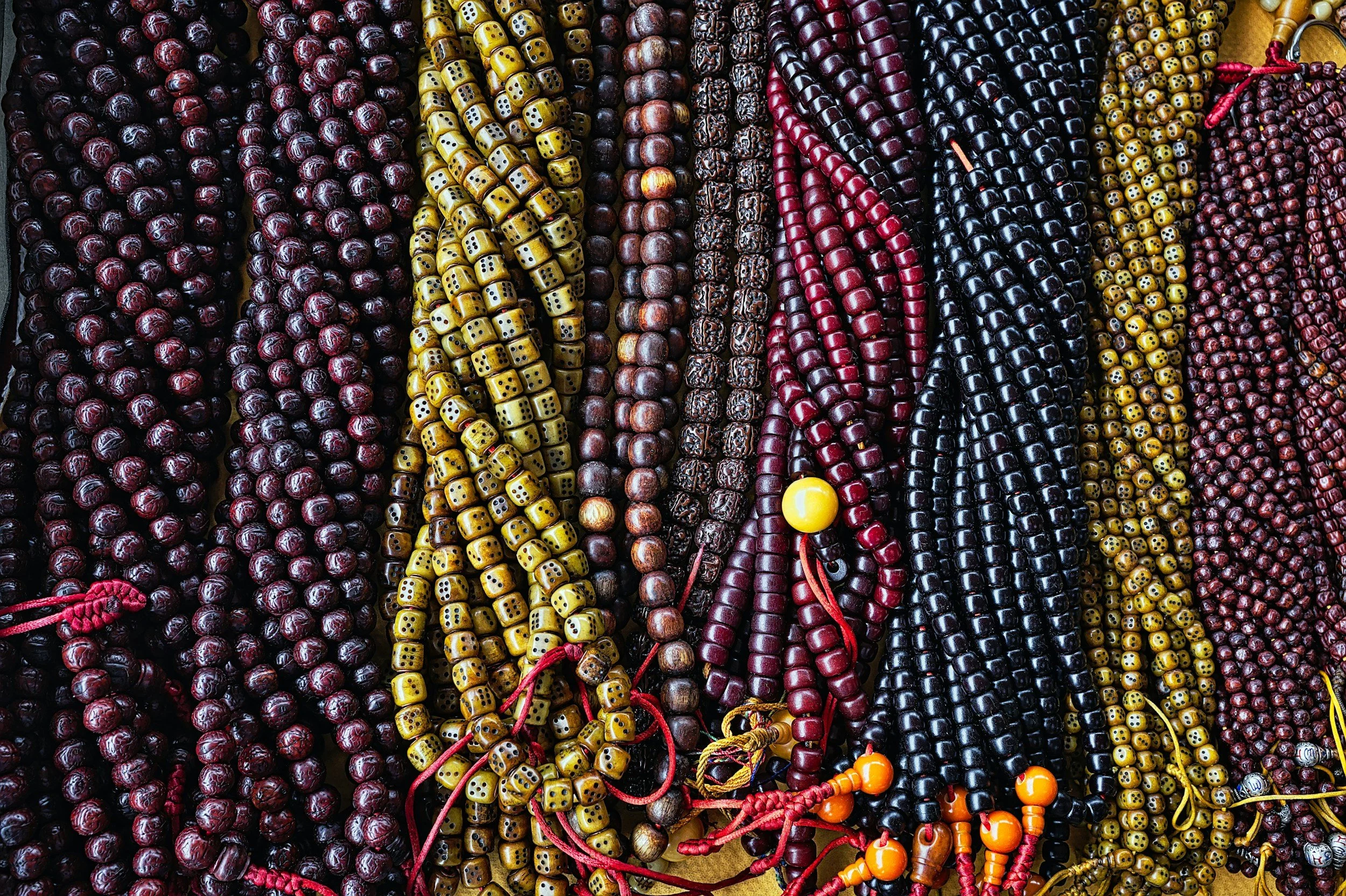
Before stained glass, before engraved goblets, before any of the achievements covered on this page, the very first thing humans made with glass was jewelry. Glass beads date back nearly as far as glassmaking itself, roughly 3,500 years, made by wrapping molten glass around a metal rod or core and shaping it while still soft. These weren't scientific instruments or architectural marvels — they were personal, decorative, often traded as currency and status symbols across ancient civilizations from Egypt to Mesopotamia to the Roman Empire. It's worth pausing on that: the very first application anyone found for this new material wasn't practical at all. It was beauty, worn on the body. That instinct never left glassmaking, and it eventually grew into something far larger.
Stained Glass — Beads Scaled Up to Architecture
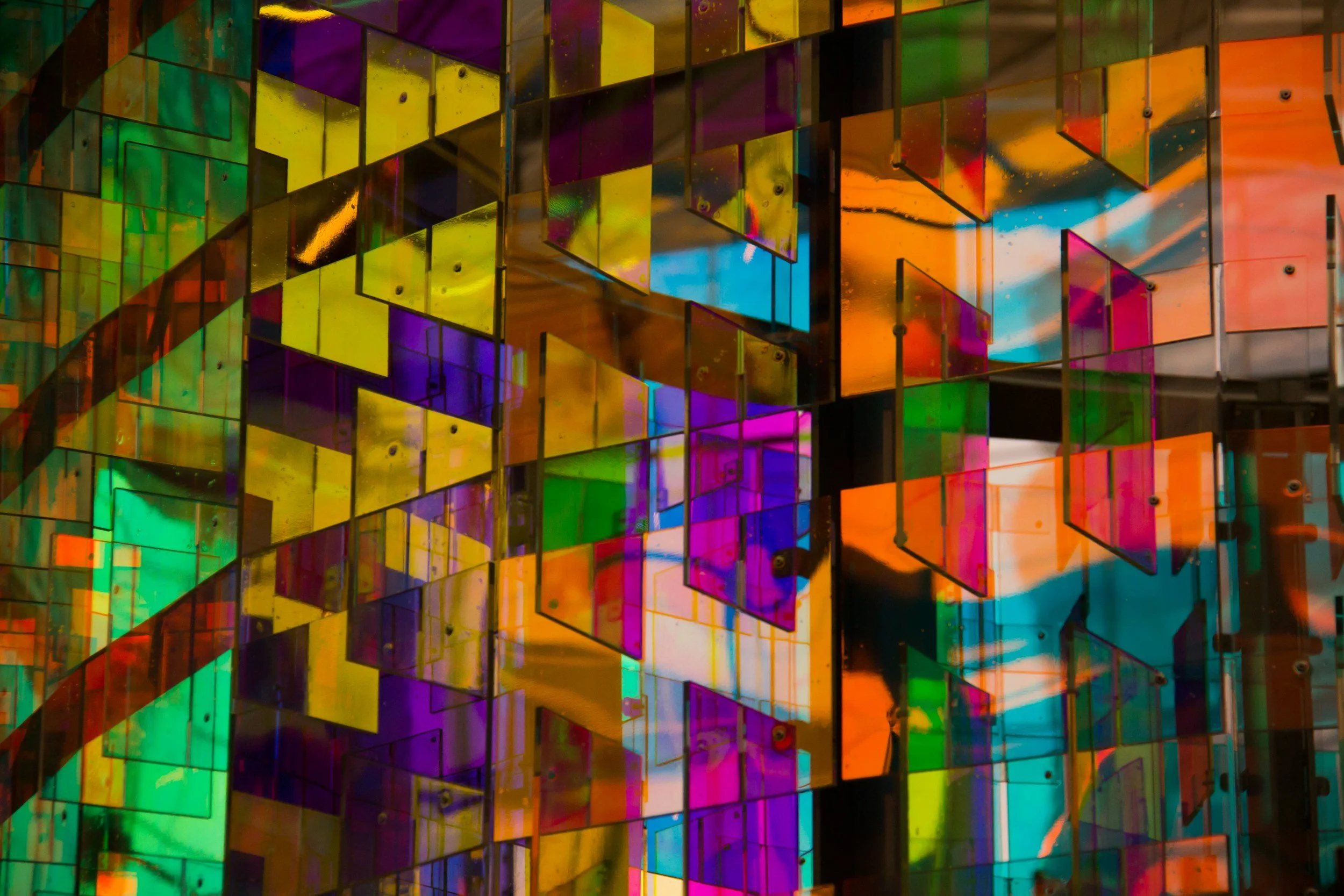
What began as a single colored bead eventually became entire walls of colored light. Stained glass windows, which reached their peak in medieval European cathedrals starting in the 12th century, took the same principle behind a glass bead — glass colored with metal oxides, shaped, and prized for its visual beauty — and scaled it up to an architectural feat. Colored glass pieces were cut, arranged into elaborate scenes and patterns, and joined together with strips of lead, creating windows that didn't just let light in — they transformed it. A cathedral built without stained glass is a stone building with holes in the wall. A cathedral built with it becomes something else entirely, telling biblical stories in colored light for a population that, for most of history, couldn't read. The same metal oxide chemistry covered earlier in this series — cobalt for blue, copper for green, gold for red — is exactly what medieval glassworkers were using centuries before anyone understood the chemistry behind it, refined instead through generations of hands-on trial, error, and mastery.
Art Glass and Master Craftsmen → Glass in Transportation:
Art glass proves that beauty alone has always been reason enough for glass to exist — a bead worn on a wrist, a window that turns sunlight into a biblical story, a goblet engraved by a hand skilled enough to make cobalt-blue glass look effortless. But glass has an entirely different gear it can shift into. Where art glass is about slowing down and admiring, the next chapter is about the opposite: glass built to withstand speed, force, and pressure most materials can't survive. Without it, we simply could not move as fast as we do.